
Understanding Fence Installation Cost: A Complete Guide
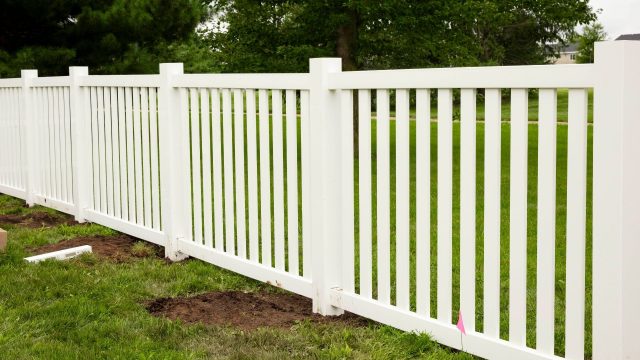
Adding a fence to a property can completely transform its appearance, function, and value. It brings privacy, security, and charm, while often creating a sense of enclosure that makes outdoor spaces feel like true extensions of the home. Yet one question lingers in the minds of homeowners and property managers alike: what exactly determines the fence installation cost?
This is not a simple, one-size-fits-all figure. Many elements play into the final price, ranging from materials and design to property size and labor. Knowing these details helps individuals plan wisely, avoid hidden expenses, and get the most out of their investment.
Key Factors That Influence Fence Installation Cost
When evaluating the overall fence installation cost, it’s essential to break down the primary drivers that affect pricing.
- Material Selection
The material is often the single biggest factor in determining how much does a fence cost. Common options include:
- Wood: Offers timeless beauty but requires ongoing maintenance.
- Vinyl: Durable and low maintenance with a higher upfront cost.
- Aluminum: Sleek, rust-resistant, and perfect for decorative styles.
- Chain Link: Affordable and functional, ideal for large perimeters.
- Wrought Iron: Stately and long-lasting, though typically more expensive.
- Wood: Offers timeless beauty but requires ongoing maintenance.
- Height and Length of the Fence
Taller and longer fences require more materials and labor. A simple three-foot garden barrier will be much less costly than an eight-foot privacy enclosure spanning an entire yard. - Design Complexity
Straight runs of fencing are quicker and cheaper to install. Decorative panels, curves, or integrated gates increase the fence installation cost because they demand more craftsmanship and time. - Labor and Installation Fees
Skilled professionals ensure structural integrity and compliance with local codes. Labor rates vary by region, but in many cases, professional installation ensures the fence endures for decades, offsetting long-term repair costs. - Site Preparation
Uneven terrain, rocky soil, or heavy vegetation can add to the project’s price. Clearing, leveling, and grading require additional labor and equipment.
Breaking Down Average Costs
Homeowners often ask, how much does a fence cost? The answer depends on the above variables, but ballpark ranges can help provide clarity.
- Chain Link Fences: Generally the most budget-friendly, ranging from $8 to $18 per linear foot.
- Wood Fences: Costs vary widely, averaging $15 to $35 per linear foot depending on wood type and style.
- Vinyl Fences: Expect $20 to $40 per linear foot, though maintenance savings balance the higher upfront cost.
- Aluminum and Steel Fences: Typically fall between $25 and $50 per linear foot, offering long-term durability.
- Wrought Iron Fences: The most premium option, often exceeding $50 per linear foot.
These figures illustrate just how much material selection influences the fence installation cost.
Additional Expenses to Consider
While most focus on materials and labor, there are other costs worth noting:
- Permits and Regulations: Many municipalities require permits for fence construction. Fees vary but should be factored in early.
- Gates: Adding one or more gates increases costs. Automatic or custom gates can be particularly expensive.
- Staining or Sealing: For wood fences, protective treatments add to initial expenses but prevent costly deterioration later.
- Demolition of Old Fencing: Removing an existing structure contributes to labor and disposal fees.
Understanding these add-ons ensures there are no surprises once the project begins.
The Value of Professional Estimates
Before committing to a contractor, homeowners should always request a free fence estimate. This step allows them to compare pricing, evaluate services, and ensure transparency before work begins. A detailed estimate should outline:
- Material costs.
- Labor charges.
- Timeline for completion.
- Any potential additional fees.
By securing a free fence estimate, individuals avoid vague promises and gain the clarity needed to budget effectively.
Balancing Cost with Long-Term Value
While affordability is important, choosing solely based on the lowest price can lead to problems. A fence is not just a temporary addition; it’s a lasting structure that should enhance the property for years to come. Investing in higher-quality materials or skilled labor often saves money in the long run by reducing repairs, replacements, and maintenance headaches.
Consider, for instance, a wood fence that is cheaper upfront but requires frequent sealing and occasional board replacement. Compare that to vinyl, which may be pricier initially but demands almost no upkeep. Evaluating both short-term costs and long-term value is key to making the best decision.
Strategies for Saving on Fence Installation
Homeowners looking to manage expenses while still achieving their vision can employ several strategies:
- Get Multiple Quotes: Comparing estimates helps identify fair pricing.
- Plan During Off-Season: Contractors may offer better rates in slower months.
- Opt for Standard Designs: Custom patterns or ornate styles increase complexity and cost.
- Mix Materials: Using premium materials in visible areas and more economical ones elsewhere balances beauty and budget.
These practical steps allow for cost efficiency without sacrificing quality.
Why a Fence is a Smart Investment
Beyond the upfront fence installation cost, a fence adds undeniable value to a property. It increases security, enhances privacy, and boosts curb appeal. For families with children or pets, the sense of safety alone is worth the expense. Moreover, potential buyers often view a well-installed fence as a desirable feature, translating into higher resale value.
Conclusion
The question of how much does a fence cost has no single answer, but understanding the variables makes planning far easier. Material, labor, design, and site conditions all shape the final figure. By seeking a free fence estimate from reputable contractors, homeowners gain clear insight and confidence in their investment.
Ultimately, the fence installation cost should be seen not merely as an expense but as a contribution to security, beauty, and property value. A carefully chosen fence delivers years of service, standing as both a protective boundary and a defining feature of the home.