
Sustainable Home Improvement Ideas for Eco-Friendly Living
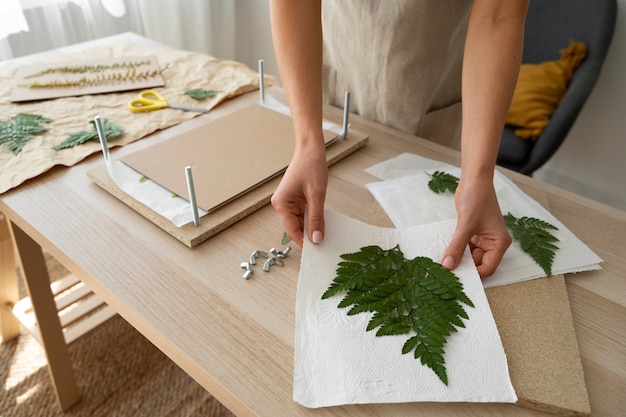
As the world becomes increasingly aware of the environmental impact of our daily choices, sustainable home improvement ideas are gaining traction among homeowners. Making eco-friendly upgrades is not just a trend; it’s a necessity for those who wish to contribute to a healthier planet while enhancing their living spaces. By implementing thoughtful and strategic changes, you can transform your home into an oasis of sustainability. Here are some effective eco-friendly upgrades for your home that can lead to greener living.
Embrace Energy Efficiency
One of the most significant areas where homeowners can make a difference is energy consumption. Upgrading your home to be more energy-efficient not only reduces your carbon footprint but can also save you money on utility bills.
1. Energy-Efficient Appliances
Investing in energy-efficient appliances is a fundamental step toward a sustainable home. Look for appliances that have the ENERGY STAR label, which signifies that they meet strict energy efficiency guidelines set by the U.S. Environmental Protection Agency. From refrigerators to washing machines, these appliances consume less electricity and water, making them a win-win for your wallet and the environment.
2. Smart Thermostats
Smart thermostats can optimize your heating and cooling systems, leading to substantial energy savings. These devices learn your habits and adjust the temperature accordingly, ensuring that energy is not wasted when you’re not home. By maintaining a comfortable environment while minimizing energy use, smart thermostats exemplify green solutions for better living.
Optimize Water Usage
Water conservation is another critical aspect of sustainable living. By making smart upgrades, you can reduce water waste significantly.
1. Low-Flow Fixtures
Install low-flow faucets and showerheads to minimize water consumption without sacrificing performance. These fixtures can reduce water flow by up to 50%, which translates to significant savings over time. You’ll still enjoy a refreshing shower or a satisfying wash, all while conserving this precious resource.
2. Rainwater Harvesting Systems
Consider implementing a rainwater harvesting system to collect rainwater from your roof. This system can be used for irrigation, toilet flushing, and even washing your car. By utilizing rainwater, you’ll reduce reliance on municipal water supply and take a substantial step toward environmentally conscious improvement tips.
Go Green with Materials
When it comes to home improvement, the materials you choose play a pivotal role in sustainability. Opting for eco-friendly materials can dramatically impact the overall environmental footprint of your renovations.
1. Recycled Materials
Incorporate recycled materials into your projects. Whether it’s reclaimed wood for flooring or recycled glass for countertops, these materials not only reduce waste but also add character to your home. Using recycled materials exemplifies a commitment to sustainable practices and enhances the uniqueness of your space.
2. Sustainable Flooring Options
Consider flooring options made from sustainable materials, such as bamboo, cork, or linoleum. Bamboo is particularly notable for its rapid growth, making it a highly renewable resource. Additionally, cork is harvested without harming the tree, allowing it to regenerate naturally. These choices contribute to a stylish home while maintaining a focus on sustainability.
Enhance Indoor Air Quality
Creating a healthier living environment extends beyond energy and water conservation. Improving indoor air quality is essential for your health and well-being.
1. Non-Toxic Paints and Finishes
When updating your home, choose paints and finishes that are low in volatile organic compounds (VOCs). These non-toxic products emit fewer harmful chemicals into the air, ensuring a safer environment for you and your family. This small switch can significantly enhance the air quality in your home, contributing to overall well-being.
2. Indoor Plants
Integrating indoor plants into your decor can naturally purify the air and improve indoor air quality. Plants like snake plants, peace lilies, and spider plants can absorb toxins and release oxygen, creating a healthier atmosphere. Not only do they serve as beautiful decorations, but they also promote a sense of tranquility and well-being.
Create a Sustainable Landscape
Your outdoor space can also benefit from sustainable practices that align with eco-friendly living.
1. Native Plants
When landscaping, opt for native plants that thrive in your region. These plants require less water, fertilizer, and pesticides, making them a sustainable choice. They also provide habitat for local wildlife, contributing to biodiversity and ecosystem health.
2. Composting
Start a composting system to reduce kitchen waste. Composting not only diverts organic waste from landfills but also creates nutrient-rich soil for your garden. This practice exemplifies a holistic approach to sustainability, showcasing how simple actions can lead to significant environmental benefits.
Conclusion
Incorporating sustainable home improvement ideas into your living space is a powerful way to embrace eco-friendly living. From energy-efficient appliances to native landscaping, every decision you make can contribute to a healthier planet. By prioritizing eco-friendly upgrades for your home, you not only enhance your living environment but also promote a sustainable future for generations to come. With these tips, you can embark on a journey of transformation that leads to both comfort and environmental consciousness, demonstrating that living sustainably is both achievable and rewarding.